
English| EUR
Suggested for you
More currencies
Choose a language
Kravice sits in Herzegovina, a border crossing inland from the Adriatic, which is why the trip is never a simple hop onto a city line. This Dubrovnik to Kravice waterfalls bus guide sets out what actually runs, who operates it, and how a return day is normally structured. The schedule, route and cost sections that follow carry the detail.
Quick answer
There is no direct public bus line from Dubrovnik to Kravice; the falls sit across the border in Bosnia and Herzegovina, so almost all bus travel is by organised return coach, or by scheduled service toward Čapljina and Ljubuški with local transport onward.
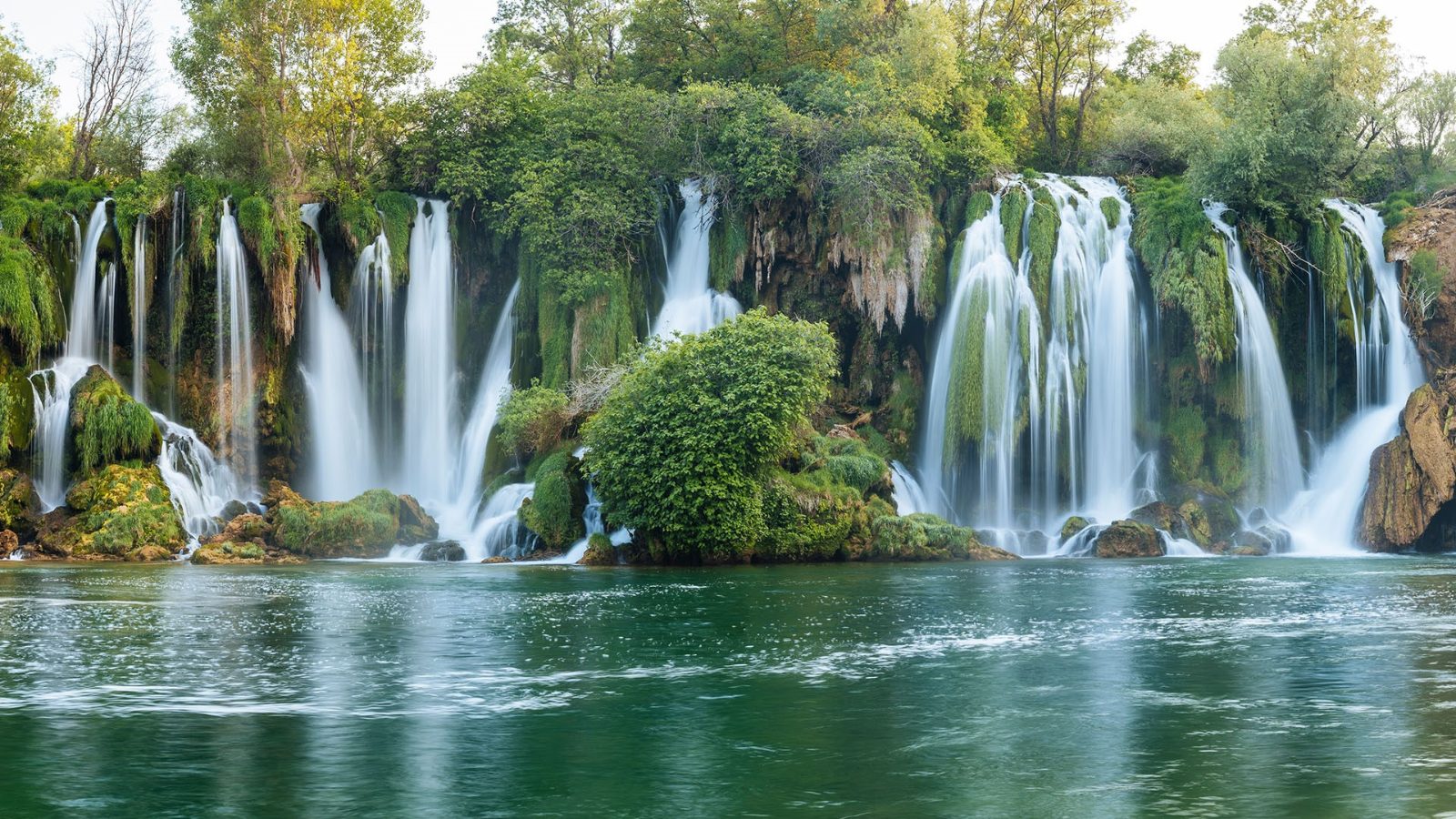
Kravice is not in Croatia. The cascades lie in Bosnia and Herzegovina, on the Trebižat River near the village of Studenci, which means every visitor leaving the Adriatic coast is crossing an international frontier to reach them. That single fact shapes the whole Dubrovnik to Kravice Waterfalls bus question, because it removes the route from the ordinary network of Croatian intercity coaches and places it in the hands of cross-border operators and organised day tours. The practical consequence is that no city-style service departs Gruž bus station bound for the falls. Travellers moving independently generally ride a scheduled coach north toward Metković, Čapljina or Mostar, then arrange local transport onward through Ljubuški — a chain that works, but that depends on connections rather than a single ticket. The alternative, and by far the more common one, is a seat on a Kravice Waterfalls tour from Dubrovnik: a return coach that leaves the Old Town area in the morning, follows the coastal road through the Neum corridor, turns inland across the Herzegovina karst, and pairs the falls with Mostar or Počitelj on the same day. Both approaches are legitimate. They simply answer different questions — one about cost and flexibility, the other about certainty. Geography explains the rhythm of the day. Herzegovina in high summer is hot and open, the limestone throwing back the light, and the falls sit at the bottom of a wooded bowl reached by a descending path from the upper car park. Water levels move with the season: spring melt turns the tufa barrier into a broad curtain, while August leaves calmer pools and easier swimming. Late summer, the season now underway, is the dependable bathing window. The park keeps long daily hours, and the earliest part of that window is when the amphitheatre is quietest — a detail the timing section below treats properly. For most readers the useful takeaway is procedural rather than romantic. Decide first whether the day is a single-destination trip or a wider Herzegovina circuit, since that choice determines which departures exist at all. Confirm what a fare actually covers, because the conservation fee collected at the entrance is charged separately from any coach seat, and listings advertised locally as Kravice iz Dubrovnika vary in what they include. Carry the documents a frontier requires. Keep the return time in mind, since the last stretch back along the coast is slow in August traffic and queues at the crossings are unpredictable. Read the Dubrovnik to Kravice Waterfalls bus schedule and route sections that follow for departure points, journey shape and what each operator handles, then use the booking pages to hold a seat once the plan is settled.
“Kravice is not in Croatia — the cascades lie across an international frontier, and that single fact shapes every route to them.”
The best arrival window is 07:00–09:00 to avoid mid-day crowds and peak heat. Arriving early ensures you experience the site before the majority of tour buses from Dubrovnik reach the area.
Mild, 15°C–22°C. Ideal for comfortable walking and photography.
Late spring offers lush greenery and manageable visitor numbers.
Hot, 28°C–35°C. High temperatures persist throughout the day.
This period sees the highest volume of visitors and peak daily heat.
Cooler, 18°C–25°C. Pleasant conditions for exploring the trails.
Visitor numbers decline significantly, providing a quieter experience compared to summer.
—
Arriving at opening time consistently allows for a quieter visit regardless of the season.
Verdict: The concrete best slot is arriving between 07:00 and 09:00 on a weekday during April or October.
Because the bus from Dubrovnik leaves Croatia and enters Bosnia and Herzegovina, most of the preparation for this trip happens before you board.
Everything you need to know about dubrovnik to kravice waterfalls bus
There is no direct public bus line between these two locations, so travelers typically rely on organized excursions or private transfers to reach this Bosnia and Herzegovina landmark. Planning your transport in advance ensures a smoother journey across the border.
Yes, this route involves crossing the international border between Croatia and Bosnia and Herzegovina. All passengers must carry a valid passport and any necessary visas for entry into each country.
Travel times vary based on border traffic and the specific tour operator route, often ranging between 2.5 to 3.5 hours one way. Checking the estimated duration with your transport provider helps manage your daily schedule effectively.
Families often find the area accessible, though paths near the travertine cascades can be uneven. It is important to monitor children closely near the water and on the rocky terrain surrounding the river.
Waterfalls Near Dubrovnik
Read more Tickets & toursKravice Waterfalls Tours from Dubrovnik
Read more GuideHow Far is Kravice Waterfalls from Dubrovnik
Read more GuideHow to Get to Kravice Waterfalls from Dubrovnik
Read more GuideDriving from Dubrovnik to Kravice Waterfalls
Read more Tickets & toursMostar & Kravice Waterfalls Day Trip
Read more